Tunisia
Tunisia is a North African country located along the Mediterranean Sea, known for its deep history, cultural diversity, and unique blend of traditions. Despite being one of the smaller countries in the region, Tunisia has played an outsized role in history, serving as a crossroads between Africa, Europe, and the Middle East for thousands of years.
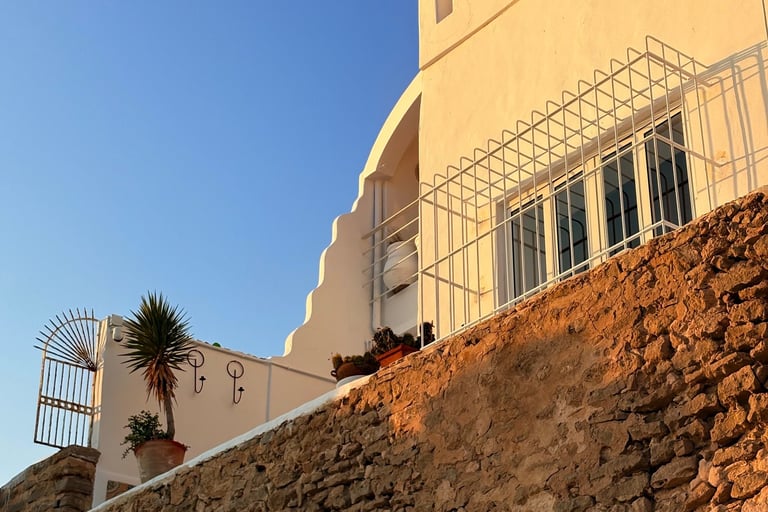
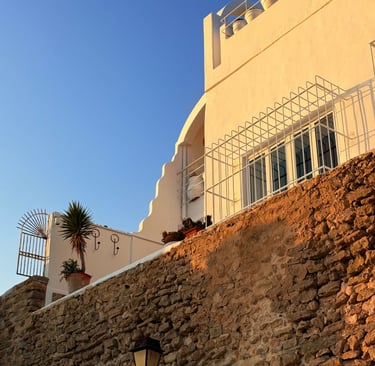
The land that is now Tunisia was once home to ancient civilizations, most famously Carthage, a powerful Phoenician city-state that rivaled Rome. After the fall of Carthage, the region became part of the Roman Empire, leaving behind impressive ruins that still stand today. Over the centuries, Tunisia was influenced by Arab, Ottoman, and French cultures, all of which have shaped its identity.
Today, Tunisia is known for its mix of modern life and traditional heritage. Arabic is the official language, and French is widely spoken, especially in business and education. The country is predominantly Muslim, and Islamic traditions play an important role in daily life, while still maintaining a relatively open and progressive society compared to some neighboring countries.
One of Tunisia’s most distinctive features is its geographic diversity. In the north, there are green hills and fertile farmland, while the central region is more dry and semi-arid. In the south lies the vast Sahara Desert, with its dunes, oases, and dramatic landscapes. Along the coast, Tunisia has beautiful beaches and clear Mediterranean waters, making it a popular tourist destination.
Tunisian culture is rich and vibrant, influenced by centuries of different civilizations. This can be seen in its architecture, music, clothing, and especially its food. Tunisian cuisine is known for bold flavors, with dishes like couscous, brik, and harissa reflecting a mix of Mediterranean and North African tastes.
In recent history, Tunisia gained global attention as the birthplace of the Arab Spring in 2011, when protests led to political change and a move toward democracy. While the country still faces economic and political challenges, it remains an important example of resilience and change in the region.
Overall, Tunisia is a country where ancient ruins meet modern cities, desert landscapes meet coastal beauty, and multiple cultures blend into a unique national identity.
Quick Facts
Population : 12 million
Capital : Tunis
Currency : TND (Tunisian Dinar)
Projected GDP : $60 Billion (IMF)
GDP Per Capita : $4,530
Major Exports : Olive oil, Phosphate, Electrical machinery
Official Language : Arabic
Other Language : French widely spoken
Current President : Kais Saied
First President : Habib Bourghuiba
Independence year : 1956
Coastline : 1,148 KM
Total Area : 163,610 KM²